A late-1960s house with “aluminum wiring”? The term worries buyers, sometimes more than it should. This wiring is not prohibited in Quebec and does not automatically mean the whole house must be redone. It does, however, carry a real and well-documented risk, concentrated in one specific place: the connections. Here is how to understand it, spot it, have it corrected and factor it into a purchase.
Why was aluminum used?
According to the U.S. Consumer Product Safety Commission (CPSC), a copper shortage in the mid-1960s led builders to use aluminum for ordinary 15- and 20-amp circuits (receptacles, switches, light fixtures), not just for the range or dryer. A house built before 1965 is unlikely to contain it; cables installed between 1965 and the mid-1970s, including in additions, may be aluminum. In Ontario, the Electrical Safety Authority (ESA) refers to the mid-1960s to the late 1970s.
The Corporation des maîtres électriciens du Québec (CMEQ) points out that aluminum conductors are permitted by the Quebec Construction Code, Chapter V – Electricity, and always have been. This article is about the solid-conductor branch-circuit wiring installed in walls at the time.
How to recognize aluminum wiring
- Markings: the cable jacket is marked “AL” or “Aluminum” at regular intervals, readable where cables are exposed (unfinished basement, attic, garage).
- Colour: a silver-grey conductor rather than copper-coloured, for example in the electrical panel.
- Gauge: for a 15 A circuit, No. 12 aluminum wire rather than No. 14 copper (CPSC).
- “CU-clad”: cable marked “CU-clad” or “Copper-clad” is copper-coated aluminum, a different product.
If in doubt, only an electrician can confirm the conductor type.
The real risk: connections, not the wire
Properly installed, aluminum wire carries current safely. The problem lies at the connections: receptacles, switches, splices, light fixtures and permanently connected appliances. Several phenomena add up:
- Oxidation: aluminum oxide is an insulator that impedes current flow (CMEQ).
- Creep: soft aluminum keeps deforming under the screw and the connection loosens (InterNACHI).
- Thermal expansion: greater than copper’s, it wears the contact with every heating cycle.
- Incompatibility: copper-aluminum contact causes galvanic corrosion. The CMEQ notes that inspections often reveal incompatible brass screws and period wire connectors designed for copper only. Devices must be marked “Al” or “Cu/Al”.
The result: the contact area shrinks, resistance rises and the connection heats up, with cumulative damage. A study conducted for the CPSC found that homes built before 1972 and wired with aluminum were 55 times more likely to have at least one receptacle connection reach “fire hazard conditions” than copper-wired homes.
Warning signs
According to the CPSC, failing connections seldom give easily detected warning signs, and some have overheated without warning. Take these seriously:
- a receptacle or switch cover plate that is hot to the touch;
- flickering lights;
- circuits that stop working;
- a smell of burning plastic.
If so, do not repair it yourself: call an electrical contractor.
What an inspection can and cannot see
During a pre-purchase inspection, our technicians and InterNACHI-certified inspectors look for visible clues: cable markings, conductor appearance, receptacle types, signs of overheating or makeshift modifications. When aluminum wiring is observed or suspected, we record it and recommend evaluation by an electrical contractor, as InterNACHI’s Standards of Practice call for.
A visual, non-destructive inspection does not dismantle every receptacle or junction box, and it does not replace an electrician’s evaluation. Boreon does not perform any electrical work: our role is to tell you what to have checked, and by whom.
How infrared thermography helps
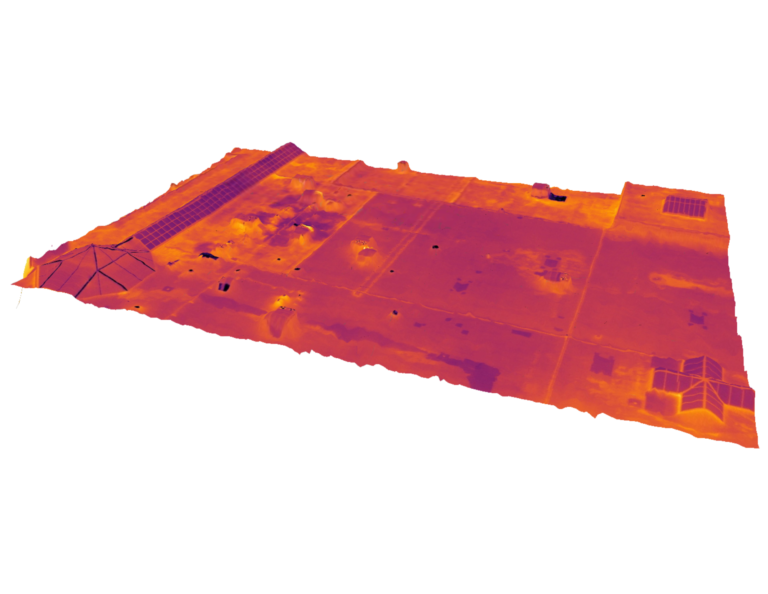
Thermography is included in every one of our inspections. A connection that is heating abnormally can show up as a hot spot on the infrared camera before it can be felt by hand. A normal image guarantees nothing, however: a degraded connection only heats up when the circuit is under load. To learn more, read what the thermal camera really reveals.
Recognized solutions
The CPSC recognizes only three permanent repair methods:
- Complete replacement with copper: the most thorough solution, often the most demanding depending on access to walls and ceilings.
- COPALUM connectors: a short copper conductor (“pigtail”) is joined to each aluminum end with a sleeve crimped by a specialized tool, installed only by electricians trained by the manufacturer.
- AlumiConn connectors: the same principle, with a setscrew connector; the best alternative when COPALUM is not available.
The CPSC recommends addressing all aluminum connections: receptacles, switches, light fixtures, permanently connected appliances, junction boxes and the panel.
CO/ALR receptacles and switches are designed for aluminum, but the CPSC sees them at best as an incomplete repair, since they are not available for every point in the system. It limits Cu/Al twist-on connectors and CO/ALR devices to temporary repairs. The Quebec Code nevertheless allows copper jumpers to be added with approved Cu/Al wire connectors (CMEQ). The choice of method rests with the electrical contractor, taking your insurer’s requirements into account.
Who can do the work in Quebec?
In Quebec, only an electrical contractor holding a Régie du bâtiment du Québec (RBQ) licence with subcategory 16, issued by the CMEQ, may carry out electrical installation work for others, and the work must be performed by qualified electricians. Check the licence before signing and ask whether the company has experience with the COPALUM or AlumiConn methods.
Insurance and insurability
Even though the Code permits aluminum, the CMEQ points out that an insurer can be more demanding and require the wiring to be replaced; others ask for a letter of conformity from an electrical contractor. Requirements vary: contact your insurer before your conditions are removed.
Impact when buying
Aluminum wiring is not an automatic reason to walk away from a house. It is information to price and plan for: an evaluation and written quote from an electrical contractor during the inspection period, combined with your insurer’s requirements, let you negotiate the price, request work or set aside a correction budget.
Practical checklist
- Look for “AL” on exposed cables.
- Note the year of construction and of any additions (roughly 1965 to 1975).
- Check whether any receptacles are warm, discoloured or give off an odour.
- Ask the seller whether corrections were made, and by whom (invoices, certificate).
- Have the installation evaluated by a licensed electrical contractor.
- Call your insurer before conditions are removed.
FAQ
Is aluminum wiring illegal in Quebec?
No. The CMEQ states that aluminum conductors are permitted by the Quebec Construction Code, Chapter V. Improper connections are the problem.
Does the whole house have to be rewired?
Not necessarily. The CPSC recognizes permanent connection repairs (COPALUM, AlumiConn). Your insurer may, however, require more.
Can I do the repairs myself?
The CPSC strongly advises against it because of the risk of electrocution and of making the problem worse. In Quebec, work for others falls to a licensed electrical contractor.
Is an inspection with thermography enough to confirm everything is safe?
No. Thermography helps spot connections that are heating at the time of the inspection, but only an electrician’s evaluation can confirm the condition of each connection.
Plan your purchase with confidence
A 1960s–1970s house can be an excellent purchase when you know its issues. Our team of technicians, InterNACHI-certified inspectors and an engineer member of the OIQ provides a clear report, thermography included. Get a quote for a pre-purchase inspection.
Sources
- U.S. Consumer Product Safety Commission – Repairing Aluminum Wiring (Publication 516)
- Electrical Safety Authority (Ontario) – Aluminum Wiring
- CMEQ – Informel, February 2020: “Connaissez-vous bien les conducteurs d’aluminium?” (French)
- Régie du bâtiment du Québec – Electrical licence (French)
- InterNACHI – Inspecting Aluminum Wiring