Caulking (sealant) seals the joints around windows, doors, penetrations and material transitions. When it cracks, hardens, shrinks or peels away, it stops doing that job and leaves a path open to water and air.
Common causes
aging and hardening of the product, exposure to UV and thermal cycling, expansion movement between two materials, an unsuitable or poorly applied sealant (over a damp or dirty surface), or simply infrequent maintenance, caulking is a consumable that needs renewing.
Signs to watch for
cracked, hardened, yellowed or missing sealant, visible gaps or openings around frames, peeling sealant hanging loose, drafts or water marks nearby, dust getting in near openings.
Why you should not ignore it
a seemingly cheap detail, but a doorway for water and air when neglected. Water seeping through a failed joint can reach the structure and cause damage out of proportion to the gap, while air leaks weigh on comfort and heating costs. The condition of the caulking is a good indicator of how well the building envelope is maintained.
What a professional assessment reveals
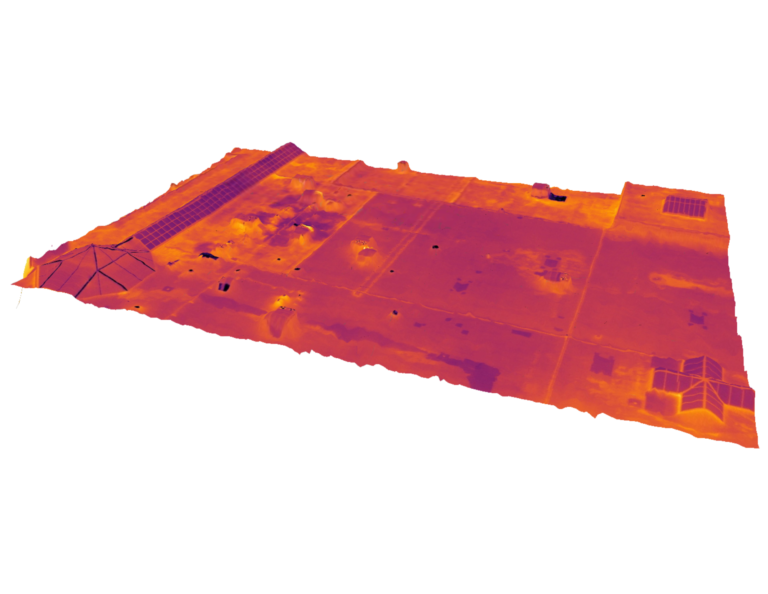
Cracked caulking opens the way to air and water, leading to infiltration and energy loss. An assessment, supported by thermography, reveals invisible air leaks and the areas where water can get in.
Vous soupconnez ce probleme dans un batiment ?
Une inspection le confirme, le documente et le chiffre, pour decider en connaissance de cause.
Inspection preachat Bilan de sante du batiment (BCA) Demander une soumission